icon
6 min read
icon
Daniel Weltin

Filing a Longshore claim and a California workers' comp claim

If you were hurt on land at a California port, such as on a dock, pier, marine terminal or shipyard, you can usually file two claims: a Longshore claim with the U.S. Department of Labor and a workers' comp claim with the California Workers' Compensation Appeals Board (WCAB). California's Supreme Court confirmed this in Sea-Land Service, Inc. v. WCAB (1996), relying on the U.S. Supreme Court's decision in Sun Ship, Inc. v. Pennsylvania (1980).

Why file both?

  • Protection if one claim is fought. Insurers sometimes argue a worker is not covered by the Longshore Act because of where the injury happened or the kind of work done. A state claim keeps a second path open.
  • Different rules and benefits. Each system has its own procedures, judges and benefit rules. Filing both lets you use the one that helps you more.
  • No double pay, but no lost pay either. Benefits from one system are credited against the other, so you end up with the higher amount, not both.

How the credit works

Federal law, 33 U.S.C. § 903(e), says amounts paid under a state workers' comp law for the same injury are credited against Longshore benefits. In Sea-Land, the California Supreme Court held that credit for Longshore disability payments against a California award is figured dollar for dollar on total disability benefits. You cannot collect full benefits from both systems.

Steps and deadlines

Federal Longshore claim:

  • Give your employer written notice within 30 days of the injury, or of when you learned it was work related (Form LS-201; 33 U.S.C. § 912).
  • File your claim with the Department of Labor within one year (Form LS-203; 33 U.S.C. § 913). New claims go through SEAPortal or by mail to the Department's central office.
  • Choose your own treating doctor (33 U.S.C. § 907(b)).

California workers' comp claim:

  • Report the injury to your employer in writing within 30 days (Labor Code § 5400).
  • Your employer must give or mail you a claim form (DWC-1) within one working day after learning of the injury. Fill it out and return it.
  • Once the claim form is filed, the employer must authorize up to $10,000 in medical treatment while it investigates.
  • Your lawyer files an Application for Adjudication with the WCAB. For Alameda and Contra Costa County injuries, that is usually the Oakland board at 1515 Clay Street.

An example from our practice

In Shepherd v. Central Valley Ag Transport, the question was whether an outside truck driver hurt on a marine terminal was covered by the Longshore Act at all. Daniel Weltin won a Benefits Review Board decision establishing coverage. Coverage disputes like this are one reason filing both can matter.

Related pages

Free consultation. Se habla español. Call (510) 856-4421.

Reviewed by Daniel Weltin, attorney at law. Updated November 2026. This guide is general information, not legal advice for your case. Laws change, so call us about your situation.

‍

Free guides

More guides for injured workers

Blog Cover
California workers' comp rights regardless of immigration status

In California, injured workers can get workers' comp no matter their immigration status. Here are your rights and what to do after a work injury.

icon
Blog Cover
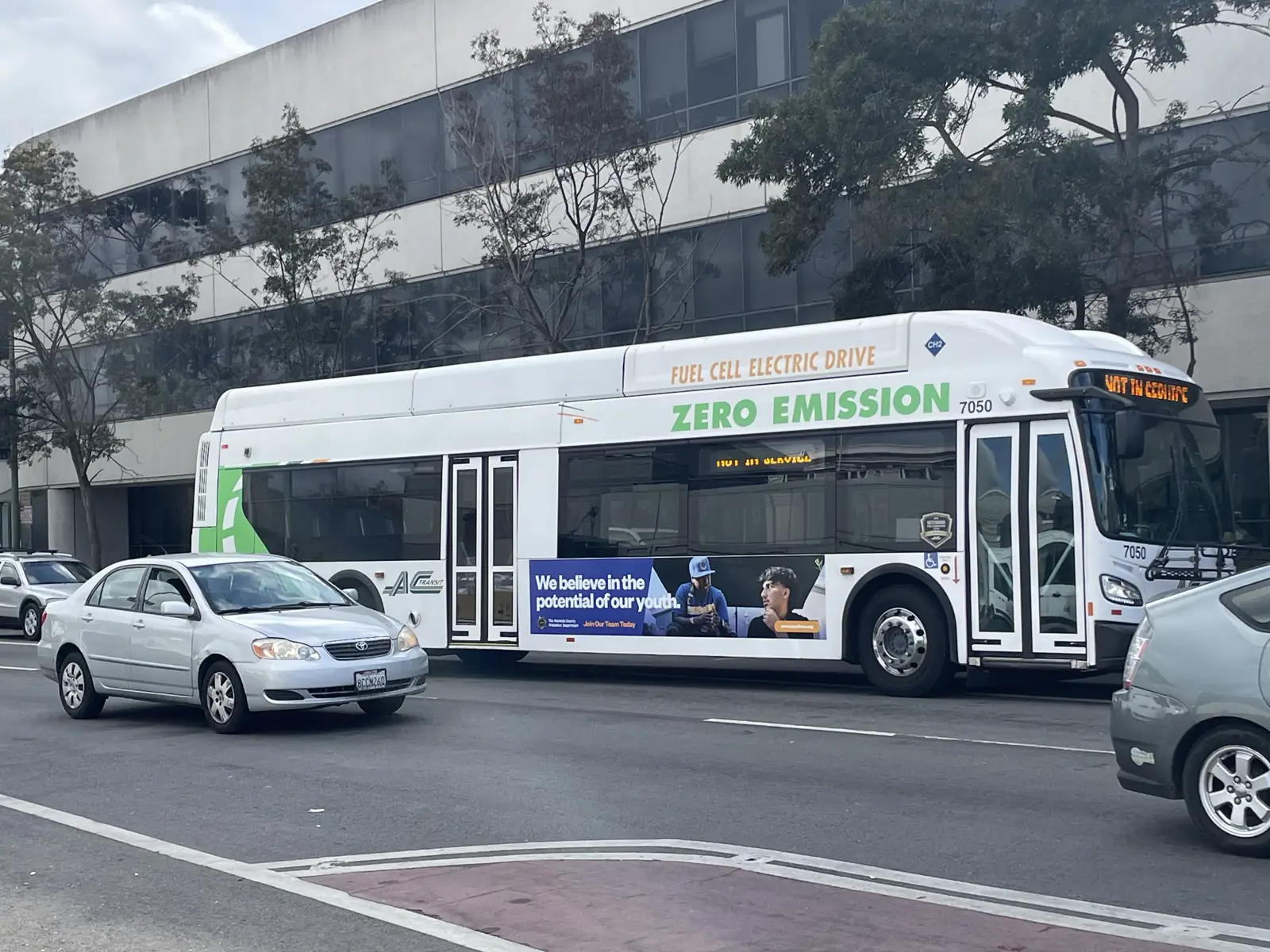
Hurt on AC Transit, BART or Muni? The 6-month claim deadline

Claims against public transit agencies have a short deadline: usually six months. Here is what Bay Area bus and train crash victims need to know.
icon
Blog Cover
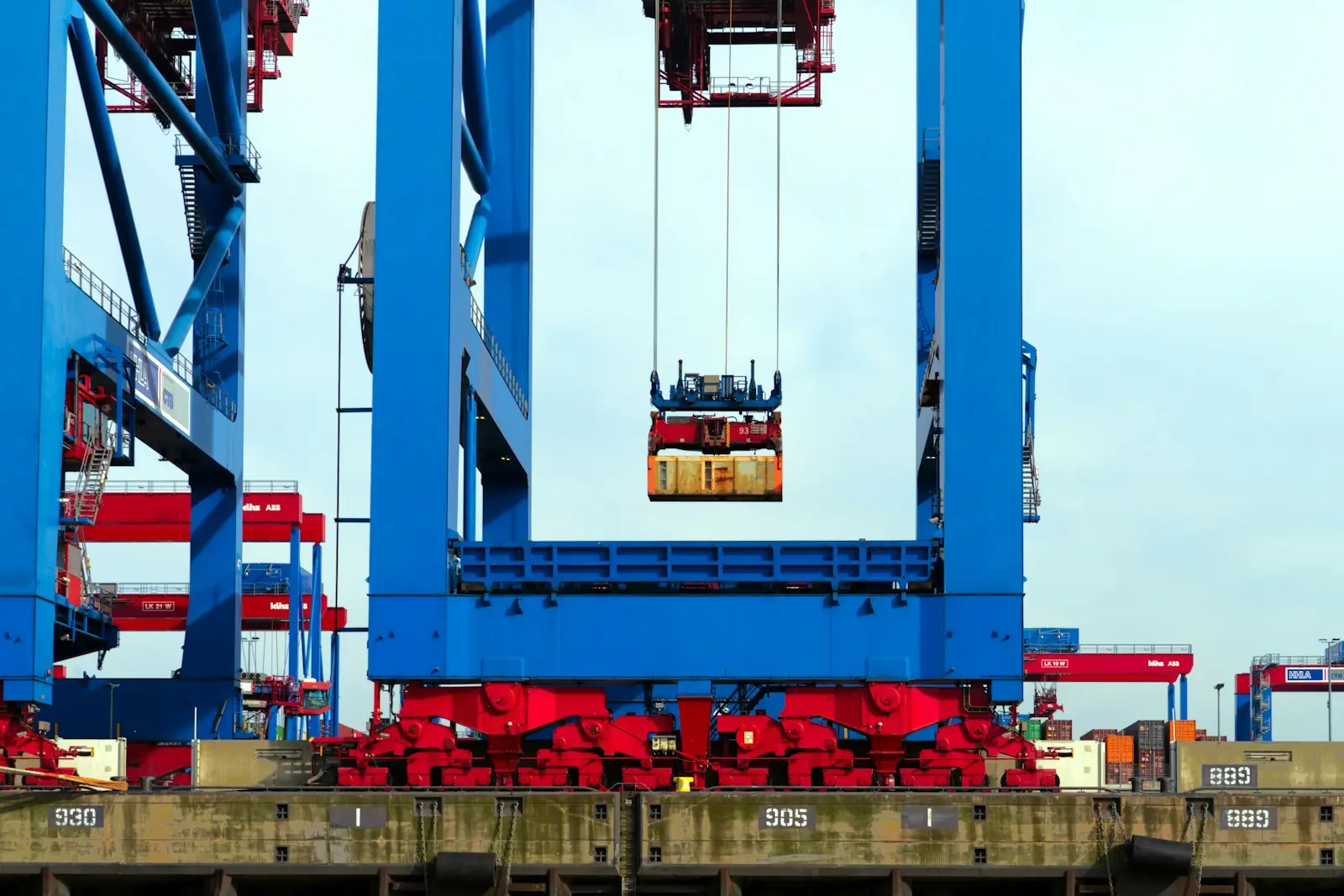
Longshore and state workers' comp: which states allow both claims

Some states let an injured longshore worker file a state workers' comp claim and a federal Longshore claim. Others do not. Here is where each state stands.

icon