


If you were hurt as a passenger on a public bus or train, or hit by a public bus as a driver, cyclist or pedestrian, your claim is against a public agency such as AC Transit, BART or San Francisco's Muni. In California, a personal injury claim against a public agency usually must be filed with that agency within six months of the injury (Government Code § 911.2). That is much shorter than the usual two-year deadline for an injury lawsuit.
Each is a public entity, so the Government Claims Act applies. Private shuttles, charter buses and tour buses follow different rules.
The law allows a request to file a late claim in limited situations, but it is harder and not guaranteed. Do not count on it.
California treats a bus or train operator that carries passengers for pay as a common carrier. It must use "the utmost care and diligence" for passengers' safety (Civil Code § 2100). That is a higher standard than ordinary care, and it can matter when a bus or train brakes hard, moves before a passenger is seated or safely off, or crashes.
Daniel Weltin recovered $8 million in Harris v. AC Transit, a bus injury case in Alameda County (2017). Past results do not guarantee a similar outcome in your case.
Free consultation. Se habla español. Call (510) 856-4421.
Reviewed by Daniel Weltin, attorney at law. Updated November 2026. This guide is general information, not legal advice for your case. Laws change, so call us about your situation.

In California, injured workers can get workers' comp no matter their immigration status. Here are your rights and what to do after a work injury.

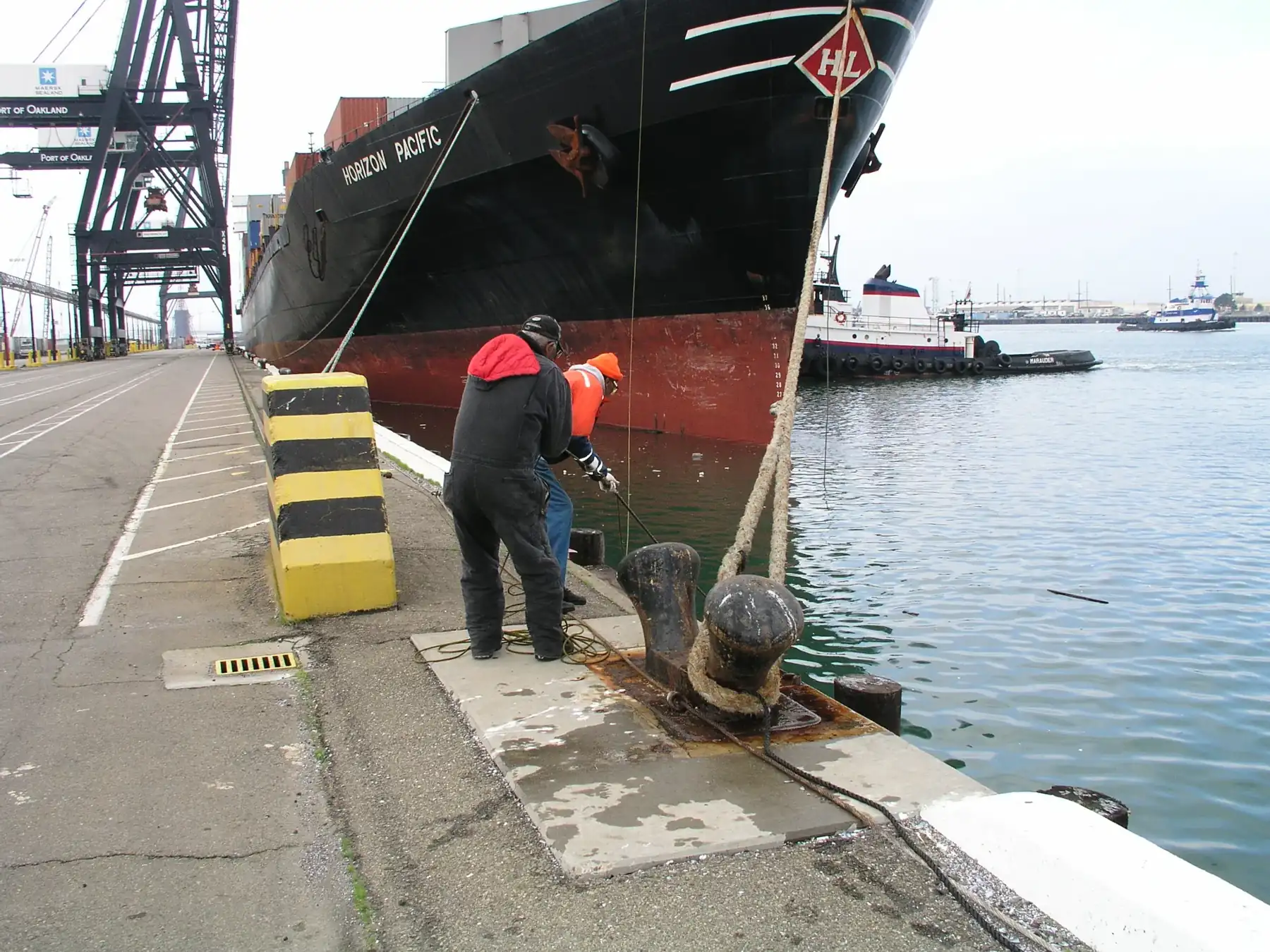
Hurt on a California dock, pier or terminal? You can often file with both the U.S. Department of Labor and the California WCAB. Here is how it works.
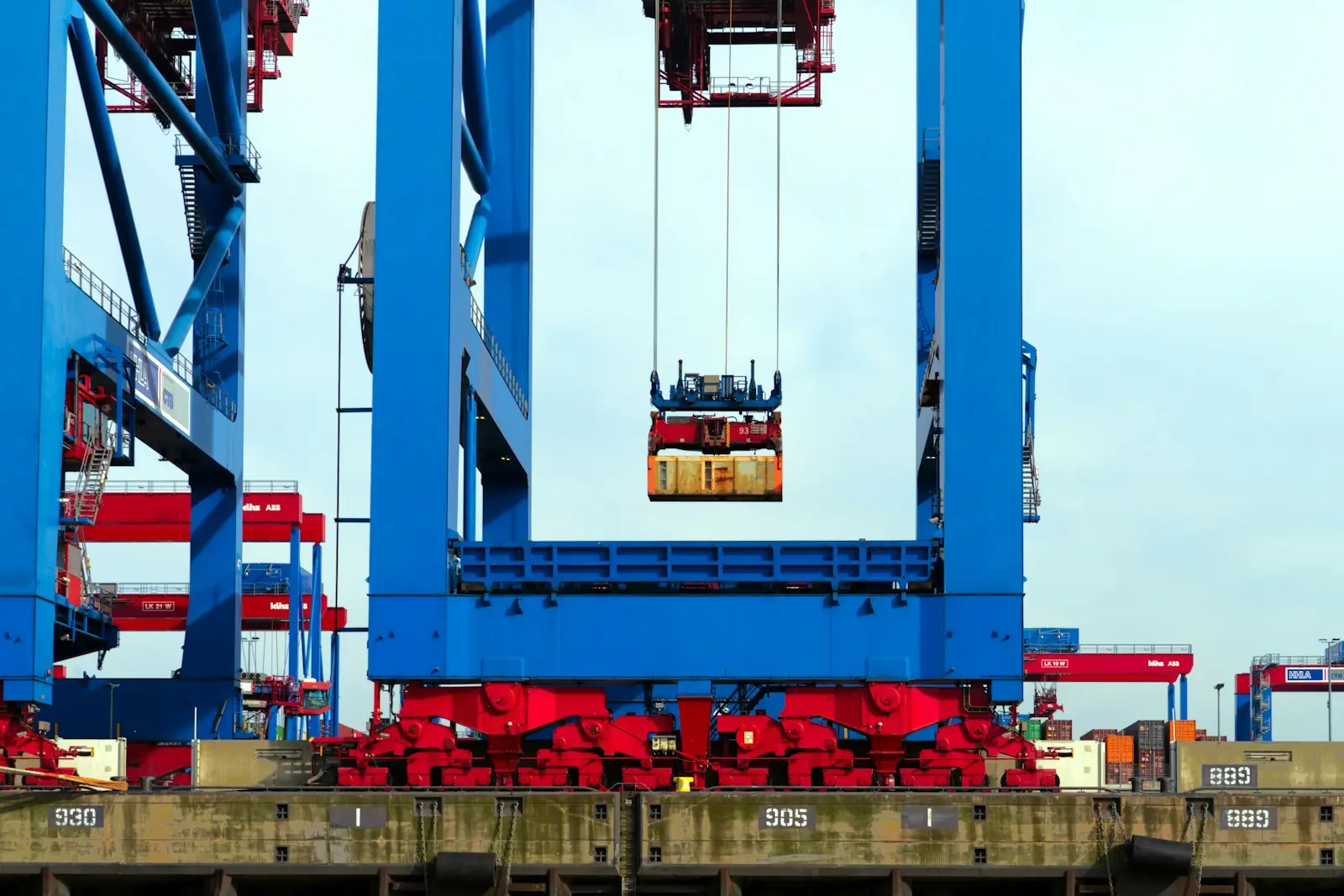
Some states let an injured longshore worker file a state workers' comp claim and a federal Longshore claim. Others do not. Here is where each state stands.


