Longshore
Hurt on the docks, in the yard or aboard ship? Protect your right to choose your own doctor.


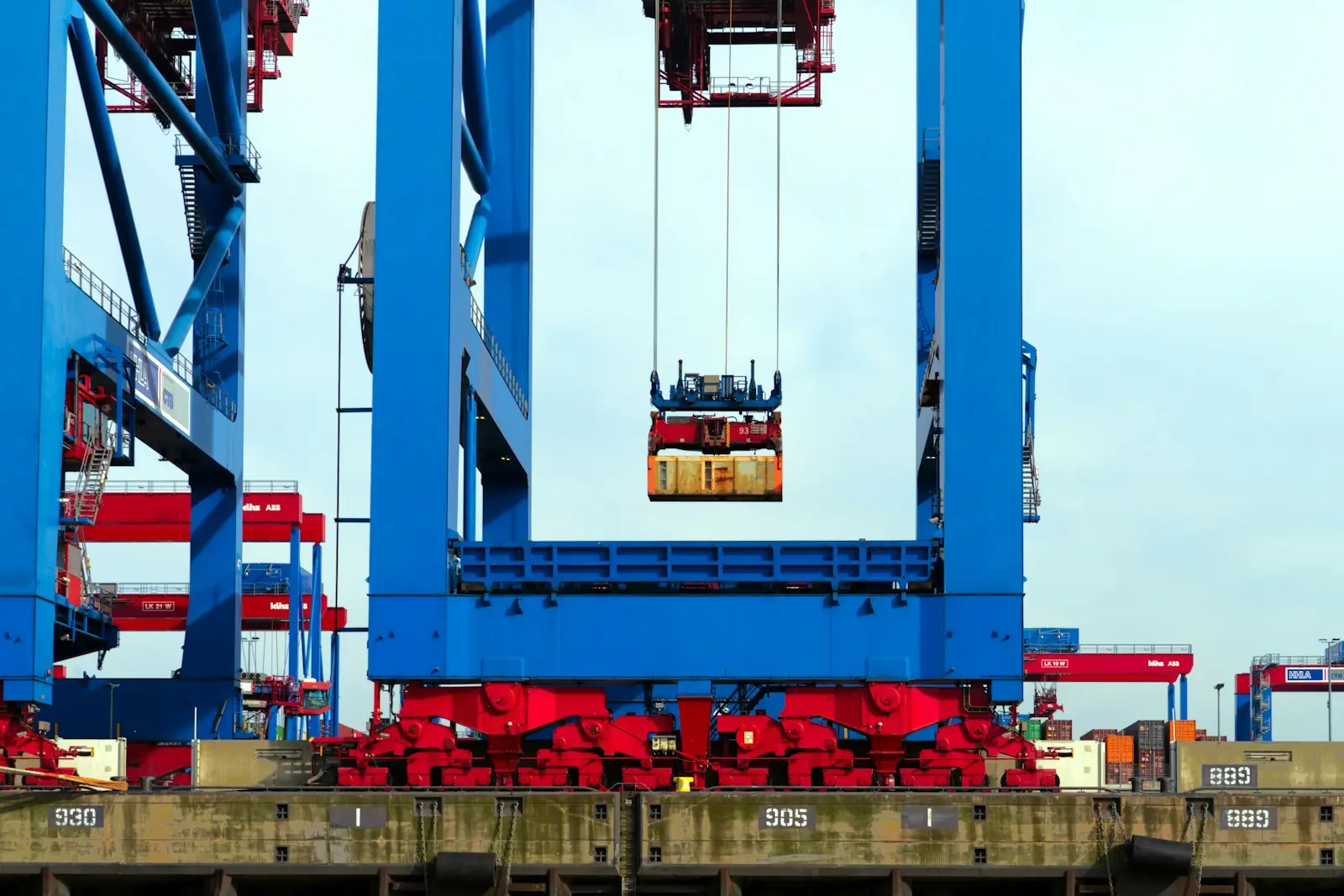
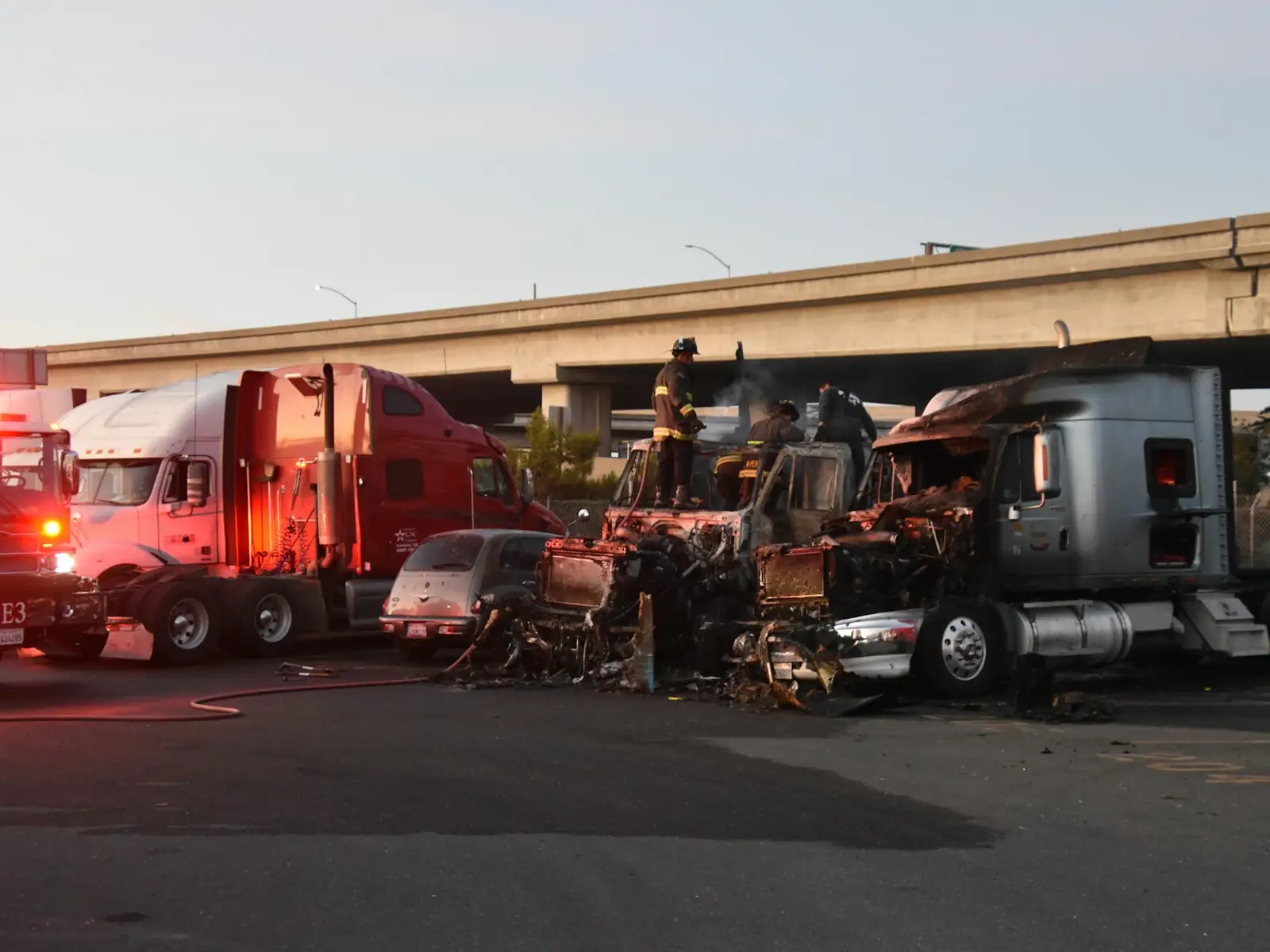
Longshore workers, crane operators, lashers, clerks, mechanics, marine terminal workers and others hurt on or near the water are usually covered by the federal Longshore and Harbor Workers' Compensation Act (LHWCA). In California, you can often file a state workers' comp claim too. Daniel Weltin has represented longshore workers since 2003, from the Oakland terminals to ports up and down the Pacific Coast.
Yes. Under 33 U.S.C. § 907(b), you have the right to choose your own treating doctor. Changing doctors later usually needs approval, so your first choice matters. Your doctor reports on your treatment, your restrictions and your ability to work. Call us before you choose.
Often, yes. If you were hurt on land in California, such as on a dock, pier or marine terminal, you can usually file a Longshore claim with the U.S. Department of Labor and a workers' comp claim with the California Workers' Compensation Appeals Board (WCAB). The U.S. Supreme Court allowed this in Sun Ship, Inc. v. Pennsylvania (1980), and the California Supreme Court confirmed it in Sea-Land Service, Inc. v. WCAB (1996).
You do not get paid twice for the same loss. Benefits paid under one system are credited against the other (33 U.S.C. § 903(e)). Filing both can protect you if one claim runs into trouble, and each system has its own benefits and procedures. We will tell you whether filing both makes sense in your case. Not every state allows this. See our guide: Which states allow a state workers' comp claim and a Longshore claim.
Your benefits are based on your average weekly wage. Overtime and shift differentials can count, and insurance carriers sometimes leave them out. We check the numbers.
Give your employer written notice within 30 days of the injury, or of when you learned it was work related (33 U.S.C. § 912). File your claim with the Department of Labor within one year (33 U.S.C. § 913). Occupational disease claims have longer deadlines. Do not wait.
Often, yes. If a vessel owner, a trucking company, an equipment maker or another contractor caused your injury, you may have a separate lawsuit for full damages, including pain and suffering and future lost earnings, in addition to your Longshore benefits. Claims against a vessel owner fall under 33 U.S.C. § 905(b).
No. Section 948a of the Longshore Act makes it illegal to fire or discriminate against a worker for filing a claim.
Two federal laws extend Longshore Act benefits to workers far from the docks. Civilian contractors hurt overseas on U.S. bases or government contracts are covered by the Defense Base Act. Civilian employees of military exchanges, MWR programs and clubs are covered by the Nonappropriated Fund Instrumentalities Act (NAFIA). We handle both.
From our office in San Leandro, we represent longshore and harbor workers from the Port of Oakland, Richmond and Stockton terminals to the Bay Area's shipyards and piers, and at ports up and down the West Coast. You can meet with us in person or by phone or video.
Past results do not guarantee a similar outcome in your case.
Free consultation. No fee unless we win. Se habla español. Call (510) 856-4421.
Reviewed by Daniel Weltin, attorney at law. Updated November 2026. This page is general information, not legal advice for your case.
Call (510) 856-4421 or send the form. The consultation is free, in English or Spanish.
We file your Longshore claim with the U.S. Department of Labor and help you choose your own treating doctor.
We push the insurer to pay your compensation and medical care, and we take disputes to an informal conference or a judge.
If a vessel owner or another company caused your injury, we pursue a separate claim for your full damages.
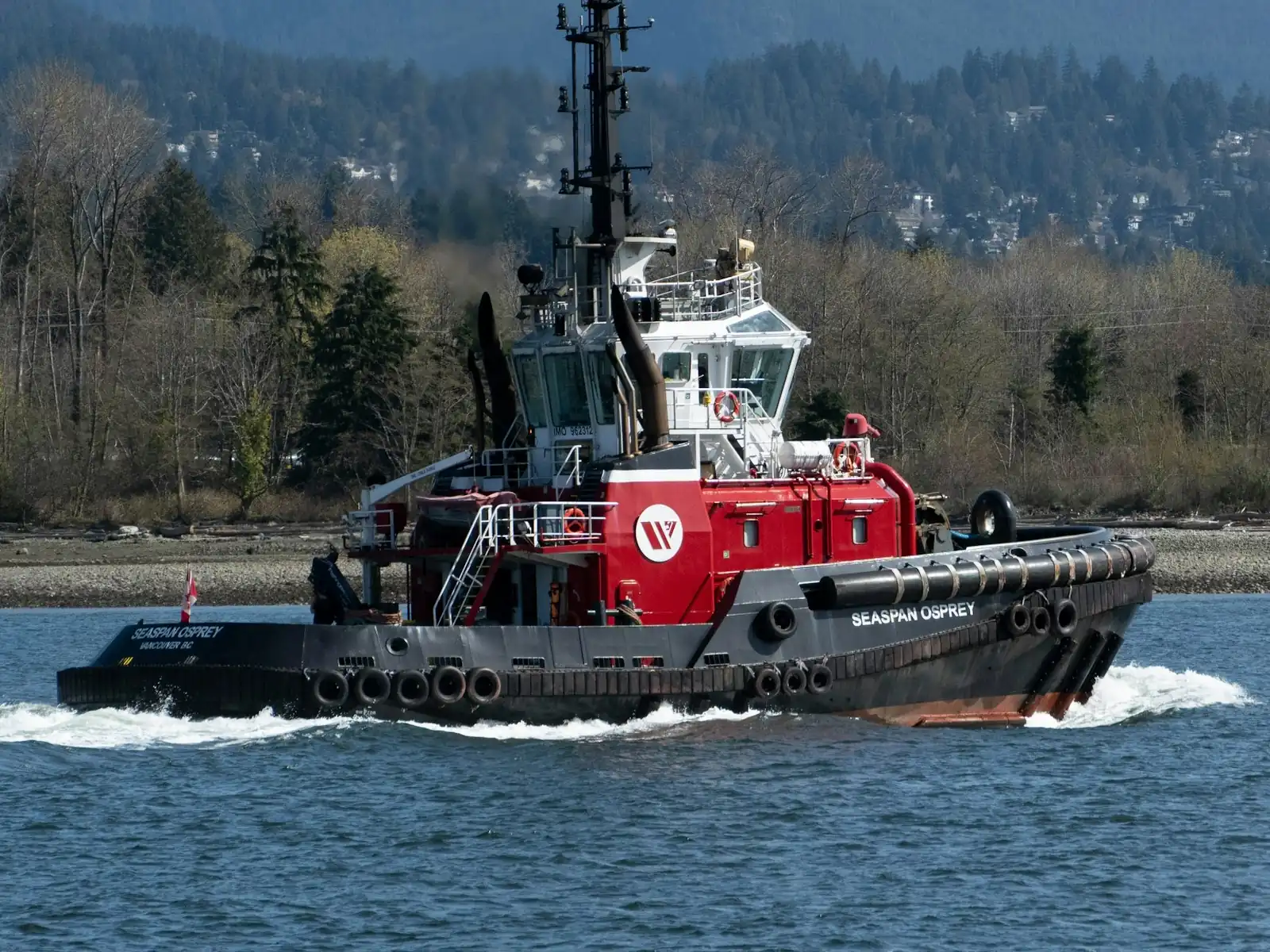
Hurt on a tug, barge, ferry or fishing boat? Your employer owes you more than maintenance and cure.

Hurt on the job in California? Get your medical care, disability checks and a fair settlement. Se habla español.


Call (510) 856-4421. The consultation is free, in English or Spanish.
Hit by a truck, bus or delivery van? Daniel recovered $8 million against AC Transit.